
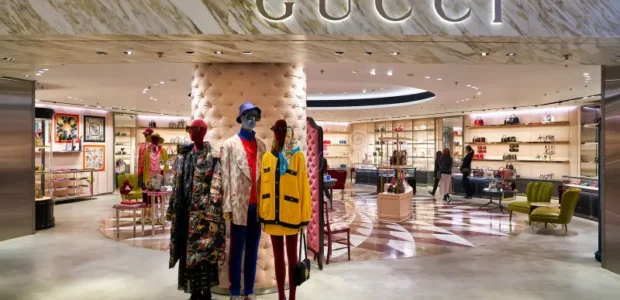

Everyone wants Gucci’s confidence without Gucci’s price tag. We put eight
affordable and accessible luxury labels up against the Italian house on
price, style, quality and everyday value, to see how close anyone can
actually get.
Scroll through Gucci’s website long enough and a familiar feeling sets in: you love
the double G buckle, the striped webbing, the loafers with the horsebit detail, but
the price tag makes you close the tab. You’re not alone. Every season, more
shoppers search for cheap brands like Gucci, hoping to find that same confident,
of the moment style without remortgaging their wardrobe budget.
But is that even possible? Can an affordable brand really compete with one of the
world’s most recognisable luxury houses, not just on price, but on style, quality,
variety and how the pieces actually hold up in daily life?
To find out, we’re comparing eight of the market’s most talked about affordable and
accessible luxury labels (Zara, Mango, COS, Massimo Dutti, Charles & Keith, Coach,
Michael Kors and Aldo) against Gucci across the categories that matter most:
pricing, style, clothing, bags, shoes, accessories, quality, durability, everyday wear
and overall value.
Some of these brands will surprise you. Others will show exactly where Gucci’s price
tag is still justified. By the end, one affordable label will emerge as the strongest all
round Gucci alternative, but it might not be the one you expect.
What Makes Gucci So Expensive?
Before comparing alternatives, it helps to understand what shoppers are actually
paying for.
Brand reputation and heritage. Founded in Florence in 1921, Gucci has spent a
century building a name synonymous with Italian craftsmanship and status. That
heritage carries real market value, independent of any single product.
Luxury positioning. Gucci sits deliberately at the top of the fashion pyramid.
Limited distribution, flagship boutiques and controlled pricing all reinforce a sense of
exclusivity that mass market brands don’t attempt to replicate.
Materials. Gucci uses high grade leathers, canvases and fabrics sourced and
tested to strict specifications, considerably more costly than the synthetic and
blended materials common in affordable fashion.
Craftsmanship. Many Gucci leather goods are still hand finished by skilled artisans
in Italy using traditional techniques. The first time I picked up a Gucci horsebit loafer
in a boutique, what struck me wasn’t the logo, it was the weight of the hardware
and how cleanly the leather welt was stitched around the sole, the kind of detail
that never quite comes across in a product photo. It’s also a labour intensive
process that fast, automated manufacturing can’t match, which is part of why trade
coverage from outlets like Business of Fashion keeps circling back to craftsmanship
when explaining luxury pricing.
Design and creative direction. Gucci invests heavily in design and runway
shows, producing directional pieces that shape wider fashion trends rather than
follow them.
Exclusivity and branding. Codes like the GG monogram, the red and green web
stripe and the horsebit are protected and marketed carefully: part of what
customers pay for is the signal the logo sends.
Product categories. Gucci spans ready to wear, leather goods, footwear,
jewellery, eyewear and beauty, with pricing that reflects the complexity of each
category.
None of this means affordable brands can’t compete on style or usefulness, but it
explains why a simple price comparison only tells part of the story.
Which Affordable Brands Compete With Gucci?
Not every affordable brand belongs in this conversation, but each of these eight has
built a reputation for elevated style, better materials than typical fast fashion, or a
specific product category that goes head to head with luxury alternatives.
Zara
I picked up a Zara blazer three winters ago that’s still in weekly rotation, so I’ll admit
some bias here. Zara is usually the first name shoppers think of when hunting for
cheap Gucci alternatives, and the reason is speed: its design team turns runway
ideas, Gucci’s included, into affordable clothing, shoes and accessories within
weeks. That blazer has held its shape better than expected, though the lining
started fraying around the same time a friend’s Zara bag from the same season lost
its structure entirely. That’s the pattern with Zara: clothing regularly outperforms
expectations, while its bags and shoes stay firmly in affordable fashion territory
rather than genuine leather goods, so it suits shoppers happy to update their look
often more than those chasing pieces that last for years. You can browse Zara’s
current edit to see this season’s take.
Mango
Where Zara chases every trend at once, Mango edits harder. Its tailoring,
occasionwear and accessories often feel a step more polished and Mediterranean
than its Inditex sibling. Clothing quality sits close to Zara’s, sometimes ahead of it in
outerwear and knitwear, and its bags and jewellery lean into gold hardware and
structured shapes that echo luxury houses at a fraction of the price. Best for:
shoppers who want a slightly more grown up, coordinated wardrobe. Mango’s
current collection is worth a look if that sounds like your style.
COS
What happens when a fast fashion group decides to slow down? That’s essentially
COS, the H&M Group label built around minimalist design, considered fabrics and
architectural silhouettes rather than seasonal trend chasing. Its clothing uses a
higher share of natural fibres than typical fast fashion, and the pared back aesthetic
overlaps in a real way with the understated luxury dressing that’s taken hold across
much of fashion in recent years. Bag and shoe ranges stay small, but they hold up
well within the brand’s clean design language, and they suit shoppers who value
longevity over logos more than they suit anyone chasing this season’s statement
piece. COS’s current collection is a good place to see that philosophy in practice.
Massimo Dutti
I’ve worn a Massimo Dutti wool coat through two winters now, and it still holds a
crease better than coats I’ve owned at twice the price. That’s roughly the brand’s
whole pitch: also part of Inditex, it sits above Zara in both price and quality, with a
focus on tailoring, leather goods and refined basics. The wool, cotton and leather
blends used across its ranges are noticeably heavier and better finished, and the
shoes and bags lean properly upscale rather than merely trend led. The overall
aesthetic, clean lines, muted palettes, real attention to fabric, mirrors the low key
luxury mood a lot of Gucci alternatives are now chasing, so it works best for
shoppers who want a wardrobe that reads as expensive without shouting about it.
Their outerwear and leather goods range is the place to start.
Charles & Keith
Shoppers who redecorate their bag collection every season tend to end up here.
This Singapore based label built its name on statement bags and shoes at
accessible prices, with seasonal collections that track closely with luxury
silhouettes: structured totes, kitten heels, embellished sandals. Clothing is a smaller
part of the offering, and materials are largely synthetic, so durability doesn’t match
genuine leather. Best for: shoppers focused specifically on bags and shoes rather
than a full wardrobe. Its bag edit updates fast enough to make that worthwhile.
Coach
A friend of mine has carried the same Coach crossbody almost daily for four years.
The leather has darkened and softened with use rather than cracked, which tells
you most of what you need to know about it. Coach operates in the accessible
luxury bracket rather than fast fashion, with prices well below Gucci but above Zara
or Mango. It specialises in leather goods, bags, wallets, belts, made from real
leather with proper hardware and construction, closer in spirit to how Gucci actually
makes its products than anything else on this list. Clothing and footwear ranges stay
far smaller than Gucci’s, but handbags remain its clear strength, and shoppers after
one well made leather bag rather than a whole new wardrobe usually land here.
Coach’s leather bag collection is worth a closer look.
Michael Kors
Where Coach narrows in on bags, Michael Kors spreads wider, covering bags,
watches, footwear and ready to wear under one accessible luxury label. Handbags
mix real and coated leathers, with logo hardware that visually nods to the
monogrammed aesthetic Gucci popularised. Quality holds up reasonably well
overall, though it’s less even than Coach at the top end of the range. Best for:
shoppers who want variety across categories without switching brands. Browse
Michael Kors’ accessories range to see the spread.
Aldo
Aldo keeps things simple: it’s almost entirely footwear and the accessories that go
with it, offering trend led shoes, boots and bags at accessible prices. Its style often
mirrors current luxury runway footwear, including Gucci’s own silhouettes, though
materials are typically synthetic or bonded leather rather than full grain. Best for:
shoppers who want fashion forward shoes without the investment price tag. Its shoe
edit changes often enough to keep up with trends.
Gucci vs Affordable Brands On Price
Zara’s clothing typically prices between $30 and $90 for basics and dresses, moving
up toward $150 for outerwear. Massimo Dutti sits meaningfully higher, with coats
and tailored blazers commonly landing between $150 and $350. Coach’s leather
crossbody bags and totes usually run $250 to $450, while Michael Kors handbags
typically fall between $200 and $400. Gucci’s own entry level accessories, think
keychains or small leather goods, often start around $250 to $450, but its handbags
commonly run from $1,500 well past $3,500, and ready to wear can go considerably
higher still.
These are general, typical ranges rather than fixed prices; they move with season,
collection and region, so it’s worth checking each brand’s own site directly before
quoting a figure to a reader. What stays consistent, though, is the scale of the gap:
even Coach and Michael Kors, the priciest brands on this list, sit at a fraction of what
a Gucci bag costs.
Paying more doesn’t automatically mean better value, though. A Gucci bag carries
brand equity, resale value and design provenance that affordable brands don’t
replicate. Meanwhile, a well made Massimo Dutti coat or Coach bag can outperform
a similarly priced item from a brand chasing trends over construction. Value
depends on what a shopper actually needs from the piece: status and investment,
or practical, everyday style.
General price positioning, not exact figures; these shift with season, region and collection.
| Brand | Price tier | What you typically get |
|---|---|---|
| Zara | Budget ($30–$150) | Fast changing trend pieces, mixed materials |
| Mango | Budget to mid | Slightly more polished basics and occasionwear |
| COS | Mid | Minimalist design, better natural fibre fabrics |
| Massimo Dutti | Mid to upper mid ($150–$350) | Tailoring, leather accents, refined finishes |
| Charles & Keith | Budget to mid | Trend led bags and shoes, mostly synthetic |
| Aldo | Budget to mid | Trend led footwear, mixed leather and synthetic |
| Coach | Accessible luxury ($250–$450) | Genuine leather goods, established craftsmanship |
| Michael Kors | Accessible luxury ($200–$400) | Broad accessory range, logo driven design |
| Gucci | Luxury ($1,500+) | Italian craftsmanship, exclusivity, brand heritage |
Which Brands Offer Gucci Like Style for Less?
Gucci’s aesthetic (vintage inspired detailing, bold prints, structured leather goods and statement hardware) has influenced fashion well beyond its own collections, and it shows up clearly in how several of these brands design.
In handbags, Michael Kors and Coach lean most heavily into structured shapes and logo hardware, echoing the monogrammed, status signalling appeal of Gucci’s GG bags. Charles & Keith translates seasonal luxury silhouettes (boxy totes, sculptural top handles) into lower cost versions almost as quickly as they trend.
In shoes, Aldo and Charles & Keith both track closely with luxury footwear trends, from chunky loafers to embellished flats, while Massimo Dutti’s leather loafers and boots take a quieter, more tailored approach that overlaps with Gucci’s classic footwear rather than its statement pieces.
In clothing, COS and Massimo Dutti come closest to Gucci’s more tailored, refined pieces, while Zara and Mango are better at replicating its bolder prints and eclectic maximalism at speed.
Belts, sunglasses and jewellery are where the price gap narrows most visibly in appearance, if not in materials. Mango and Zara both offer gold tone hardware and buckle belts that visually reference the horsebit and interlocking logo styles Gucci is known for, without claiming to be the same product.
It’s worth being clear: “Gucci like” here means shared design language and mood (silhouette, colour, hardware style), not imitation. Each of these brands designs and sells its own original pieces.
Quality and Durability Compared With Gucci
This is where the gap between Gucci and most affordable brands is hardest to close.
Gucci’s leather goods typically use full grain or premium treated leathers, reinforced stitching and hardware designed to be repaired rather than replaced. Its ready to wear uses higher grade fabrics with better finishing on seams, linings and closures.
Among the affordable brands, quality varies more by category than by brand overall. Coach’s leather bags stand out here: real leather, sturdy hardware and construction built for daily use over years, probably the closest match to Gucci’s own bag making standards on this list. Massimo Dutti and COS both use better fabrics and more careful construction in clothing than Zara or Mango, particularly in outerwear, knitwear and tailoring.
Zara, Mango, Charles & Keith and Aldo are more trend focused than durability focused. Their materials, often synthetic leather, blended fabrics and lighter weight construction, are designed to look good for a season or two rather than be repaired and passed down. Michael Kors sits in between: solid construction overall, but with more variation between its higher and lower priced ranges than Coach.
None of this means affordable pieces fall apart quickly; many perform well for their price point and intended use. But shoppers should expect a real difference in longevity, repairability and how materials age compared with genuine Gucci craftsmanship.
Gucci vs Affordable Brands for Everyday Wear
Luxury pieces aren’t always practical for daily life, and this is one area where affordable brands have a real edge.
For everyday clothing and workwear, COS and Massimo Dutti offer versatile, easy to mix pieces designed for repeated wear without drawing attention to logos, a practical strength Gucci’s more directional pieces don’t always share. Zara and Mango cover casual and occasion dressing at a price point that makes frequent wear, and frequent washing, far less stressful than it would be with a designer piece.
For bags used daily (commuting, work, travel), Coach and Michael Kors hold up well to regular handling, and their price makes them realistic “everyday bag” options in a way a Gucci bag, while durable, often isn’t for shoppers wary of wear and tear.
For shoes, Aldo and Charles & Keith offer trend led options shoppers can rotate more freely, while Massimo Dutti’s leather shoes suit smart casual daily wear better than most statement designer footwear.
Gucci’s pieces are certainly wearable day to day, and many owners do exactly that, but the emotional and financial stakes of everyday wear are simply lower with affordable alternatives, which is part of their appeal.
Which Brand Offers the Best Value for Money?
Value isn’t just about price; it’s about what a shopper actually receives in return for what they spend.
By that measure, Coach offers strong value specifically in bags: real leather, recognisable design and durability at a price that, while still an investment, sits well below Gucci. Massimo Dutti offers broader value across clothing, shoes and accessories, thanks to steady quality across a wide range rather than excelling in one category alone. COS offers strong value for shoppers who prioritise timeless design and fabric quality over trend cycles. Zara and Mango offer the best value for shoppers who want maximum variety and frequent newness at minimal cost, even if individual pieces don’t last as long. Michael Kors and Charles & Keith offer solid value within their specific strengths, and Aldo offers value for shoppers focused purely on footwear.
Gucci’s value proposition is different altogether: brand heritage, resale potential, exclusivity and design influence that no affordable brand attempts to replicate. For shoppers who care specifically about those factors, Gucci’s higher price can represent real value, not just cost.
Luxury Look Without the Luxury Price Tag
Building a polished, luxury inspired wardrobe doesn’t require a designer budget. A few habits make the biggest difference:
- Choose timeless designs over logo heavy trend pieces, which age better and mix into more outfits.
- Prioritise natural materials (leather, wool, cotton) over synthetics where budget allows, since they wear and age more gracefully.
- Check construction details like stitching, lining and hardware before buying; these reveal a garment’s real quality fastest.
- Invest in a small number of versatile pieces (a well made bag, a good coat, a classic shoe) rather than spreading budget across many trend items.
- Compare price against realistic use: a slightly higher price for something worn weekly is often better value than a cheaper piece worn twice.
- Choose accessories carefully, since a good bag or belt can elevate a simple outfit more than an entire new wardrobe.
- Avoid buying based on logo recognition alone; design, fit and material matter more to how a piece actually looks and lasts.
How Gucci and Affordable Brands Compare, Category by Category
Pulling every section together, here’s how Gucci and its affordable challengers stack up category by category.
| Category | Gucci | Affordable alternatives |
|---|---|---|
| Price | Highest across every category | Wide range: budget (Zara) to accessible luxury (Coach) |
| Style | Directional, trend setting | Trend following (Zara, Mango) to understated (COS, MD) |
| Clothing | Wide range, premium fabrics | Best matched by COS and Massimo Dutti |
| Bags | Iconic, hand finished leather goods | Best matched by Coach, then Michael Kors |
| Shoes | Statement and classic designs | Massimo Dutti (classic), Aldo/Charles & Keith (trend) |
| Accessories | Recognisable branded hardware | Widely echoed visually across most brands |
| Quality | Reliably high, artisanal | Coach and Massimo Dutti closest; varies elsewhere |
| Durability | Built to last and be repaired | Real leather goods (Coach) hold up best |
| Everyday wear | Wearable, but higher stakes | Generally more practical for daily use |
| Overall value | Heritage, exclusivity, resale | Massimo Dutti offers the most balanced value overall |
No single affordable brand wins every row here, and that’s really the point. Each brand has one or two categories where it truly competes with Gucci, and others where the gap stays wide. The brand that comes closest overall isn’t necessarily the one that wins the most individual rows; it’s the one that performs well across the widest range of categories without a major weak point.
The Final Verdict: Which Brand Can Beat Gucci Overall?
So, after comparing price, style, clothing, bags, shoes, accessories, quality, durability, everyday wear and value, is there one cheap brand that can beat Gucci at everything?
Not literally, and any honest comparison has to say so. Gucci’s leather craftsmanship, brand heritage, design influence and resale value aren’t something an affordable brand can fully replicate, no matter how good its individual products are.
But if the question is which affordable brand comes closest to matching Gucci across the board, the strongest overall answer is Massimo Dutti.
Closest overall Gucci alternative
Massimo Dutti
Wins on breadth and steadiness across clothing, shoes, bags and accessories, not by beating Gucci outright in any single category.
Here’s why. Rather than excelling narrowly in one product category the way Coach does with bags or Aldo does with shoes, Massimo Dutti performs reliably well across nearly every category this comparison covers. Its clothing uses noticeably better fabrics (wool, cotton, leather blends) than typical fast fashion, giving it a tailored, restrained look that overlaps meaningfully with how Gucci’s more understated pieces are perceived. Its leather bags and shoes, while smaller in range than Coach’s or Gucci’s, are well constructed and priced to be worn daily without anxiety. Its overall aesthetic, muted palettes, clean lines, attention to fabric and fit over logos, mirrors the low key luxury direction much of fashion, Gucci included, has been leaning into.
Where does Gucci still win? Decisively, in exclusivity, design innovation and brand equity. Massimo Dutti doesn’t set trends the way Gucci does; it interprets them thoughtfully and executes them well. Its leather goods, while good, don’t match the artisanal, hand finished quality of Gucci’s flagship bags. And it carries none of the resale value or status signalling that a genuine Gucci bag holds; for shoppers who specifically want that, no affordable brand substitutes.
Coach deserves a specific mention here too: for shoppers whose priority is a properly well made leather bag, Coach arguably comes closer to Gucci’s own bag making standards than Massimo Dutti does. But Coach’s narrower range across clothing and footwear means it can’t compete as broadly.
Neither replaces Gucci entirely, but both prove that shoppers don’t need a designer budget to dress with real quality and intention.
How to Actually Shop This List
Instead of picking one brand and stopping there, it helps to match brand to occasion. If your priority is a bag that lasts, start with Coach or Michael Kors rather than trying to stretch a synthetic bag past its natural lifespan. If it’s your everyday wardrobe you’re rebuilding, Massimo Dutti and COS reward the slightly higher spend with pieces that don’t need replacing every season. If you just want to stay current without much financial risk, Zara, Mango, Charles & Keith and Aldo let you experiment freely and swap things out as trends move on. None of that replaces owning a genuine Gucci piece if that’s specifically what you’re after, heritage and resale value aren’t something a mix and match wardrobe can offer, but it does mean most shoppers can build something that looks and functions like a considered wardrobe without needing Gucci’s price tag to get there.
FAQs
What is the best cheap alternative to Gucci?
Massimo Dutti offers the most well rounded alternative, with quality clothing, leather goods and accessories across nearly every category Gucci covers. For bags specifically, Coach is a stronger match.
Which brands look like Gucci but cost less?
Michael Kors and Coach share Gucci’s structured, hardware led handbag aesthetic, while Zara and Mango replicate its bolder prints and gold tone accessories at a fraction of the price.
Is Gucci worth the price compared with affordable brands?
For shoppers who value heritage, craftsmanship, exclusivity and resale value, yes. For shoppers who prioritise everyday practicality and value for money, several affordable brands perform better day to day.
Which affordable brand offers the best luxury style products?
Massimo Dutti and COS both lean into an understated luxury aesthetic through fabric quality and tailoring, while Coach and Michael Kors more closely replicate Gucci’s statement handbag style.