
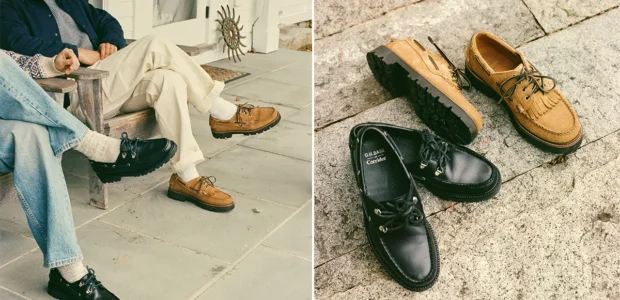

Are expensive loafers really worth it, or are you mostly paying for a famous name? That is the question behind this G.H. BASS review. The brand is best known for Weejuns, the penny loafer it introduced in 1936, and in 2026 it is marking 150 years in business and 90 years of the style. The design is hard to argue with. But looks alone cannot tell you whether a pair is worth roughly $195 to $210.
So let us look at what matters: quality, comfort, pricing, durability and what real customers say. A quick note on method. I have not worn these shoes, so where I share a view, it is editorial analysis based on official product pages, retailer listings and independent reviews. I checked the prices below on October 26, 2026, and they can change.
What Is G.H. BASS?
George Henry Bass started making shoes in Wilton, Maine in 1876, and the early focus was hardy footwear for farmers and woodsmen. You can read the brand’s own account on its Our Story page, and a general overview on Wikipedia.
The turning point came in 1936. Bass adapted a Norwegian slipper-style moccasin that people wore for “loafing in the field” and named the result Weejuns, a playful shortening of “Norwegian.” The strap with a diamond cutout across the front gave the penny loafer its name. Over the decades Ivy League students, British mods and other subcultures adopted the shoe, and the brand’s own timeline credits Michael Jackson’s black Weejuns in the Thriller video for a second wave of popularity.
Today the range goes well beyond the classic penny. It includes tassel and Venetian loafers, lug-sole versions, boots and boat shoes, plus rubber-soled “Easy Weejuns,” according to the brand’s loafer guide.
One honest point about heritage: a long history tells you about the brand’s story, not the pair in the box. Some longtime wearers on enthusiast forums say quality has changed over the decades, so judge each model on its own specifications.
G.H. BASS Shoes and Popular Collections
G.H. BASS does not build every Weejuns pair the same way, so it helps to separate the main styles. All details below come from official product pages unless stated otherwise.
Larson Weejuns Penny Loafers
This is the core style. The official Larson page lists a leather upper, an unlined interior, a memory foam insole and a leather sole. It features the “Whale Tail” penny keeper, handsewn moccasin and beefroll stitching, Blake stitch construction and a resoleable leather outsole. The page also notes it is available in a wide width and runs big, with a recommendation to size down half a size.
Larson Heritage Weejuns Penny Loafers
The Heritage Larson is a step up in the lineup. Retailer listings describe a polished calf leather upper, a hand-polished leather sole, a welt seam and a rubber heel tap. One anniversary Heritage Larson listing at Farfetch states it comes from Italy, while retailers and reviewers say the standard Larson comes from El Salvador. That is a good reminder that different models can come from different factories.
Larson Lug Weejuns
The Larson Lug keeps the penny loafer look but changes the foundation. The official page lists a premium full-grain leather upper, Extralight construction, Blake construction, a leather insole with memory foam, and an EVA lug outsole with leather welting. The heel height is 0.75 inches, and the brand offers wide widths in select sizes.
Women’s Whitney Weejuns Penny Loafers
The Whitney is the women’s equivalent of the Larson. It has a leather upper, an unlined interior, a leather insole and outsole, Blake stitch construction and a 0.5 inch heel. Like the Larson, the page advises sizing down half a size.
Which style suits which occasion?
For smart casual and business casual outfits, the leather-soled Larson or Whitney is the natural fit. The Heritage Larson leans a little dressier. The lug versions suit weekends, pavement and wetter weather, since the brand describes them as built for a heavier-duty life underfoot. For strict formal wear such as a dark suit and tie, most people would reach for a lace-up dress shoe instead.
First impressions (editorial view): Looking at the design and materials listed for the Larson Weejuns, I can see why these loafers appeal to people who prefer classic footwear. The shape is easy to style, although I would want to check the fit carefully before paying close to $200 for a pair.
G.H. BASS Shoes Price and Value for Money
The table below uses prices from the official G.H. BASS US store, and I note retailer prices where I could not confirm the official price. Please recheck before publishing or buying, because promotions change often.
| Product | Regular Price | Sale Price, If Available | Key Features |
|---|---|---|---|
| Men’s Larson Weejuns Penny Loafer | $195 on ghbass.com (Abercrombie lists the black pair at $210) | None verified | Leather upper, unlined, memory foam insole, leather sole, Blake stitch, resoleable, wide available |
| Men’s Larson Heritage Weejuns Penny Loafer | Not confirmed on the official US page (Farfetch lists a 90th anniversary Heritage Larson at $198) | None verified | Calf leather, hand-polished leather sole, welt seam, rubber heel tap |
| Men’s Larson Lug Weejuns Penny Loafer | $210 | None verified | Full-grain leather upper, Blake construction, EVA lug outsole, memory foam |
| Men’s Larson Weejuns Venetian Loafer | $200 | None verified | Leather, unlined, leather sole, Blake stitch, memory foam |
| Women’s Whitney Weejuns Penny Loafer | $195 | None verified | Leather upper, leather insole and outsole, Blake stitch, resoleable |
Third-party retailers sometimes discount Larson variants. At the time of my search, Mr Porter showed a Weejuns 90 Larson at 161 euros, down from 230. Offers like this move quickly, so treat them as a reason to compare retailers, not a guaranteed price. You can also check current offers on the Coupon Signals G.H. BASS page.
Is the price reasonable?
Here is how I see it. At $195 to $210, you get a resoleable leather-soled loafer with handsewn moccasin construction and one of the most recognisable designs in footwear. That is real value if you love the look and plan to maintain the shoes.
But it helps to separate two things. You are paying for a classic design, and you are paying for measurable improvements in comfort or durability. The design part is clear. The measurable part is less so. One independent reviewer who tested a Larson noted a corrected-grain leather upper, which is a buffed and sanded leather that costs less than full-grain. Official pages do not state the leather grade for the standard Larson, while the Lug page does say full-grain. If leather grade matters to you, ask before you buy.
Is the price justified? (editorial view): My main consideration would be whether I would wear these shoes regularly enough to justify the price. The classic design is a strong selling point, but I would also compare the construction, comfort and expected maintenance costs with other loafers in the same price range. I cover that comparison further down.
G.H. BASS Quality and Materials
Leather and finish
Leather type matters. Full-grain leather keeps the natural surface of the hide, while manufacturers sand and finish corrected-grain leather. They are not equivalent, and G.H. BASS uses different materials across its models. The independent Reviewed piece found its pair scuffed easily and doubted it would last forever.
Construction
The official US pages describe handsewn moccasin construction with Blake stitching. Some retailers describe the same shoes as Goodyear welted instead. Since the descriptions disagree, rely on the official page for the exact model you are considering, and ask the seller if the detail matters to you.
Insole and outsole
The Larson uses a memory foam insole and a leather outsole. The Whitney uses a leather insole and outsole. The Lug uses a sponge rubber outsole with leather welting. The brand’s loafer guide says its Easy Weejuns have rubber soles that you cannot resole, so repairability depends on the sole type.
Repairability and lifespan
A resoleable sole can extend a shoe’s useful life, but it does not guarantee every part will last for years. The brand also says its classic leather-soled Weejuns need to stay dry. A Gentleman’s Gazette review suggests that with proper care these shoes can last a handful of years, and a skilled cobbler can resole leather-soled pairs.
It would be unfair to call the whole brand premium or poor based on one pair. The specifications look sensible for the price, while independent feedback on leather and longevity is mixed.
Are G.H. BASS Loafers Comfortable?
Break-in and stiffness
Leather loafers usually need a little time, and Weejuns are no exception. A UK retailer describes the Larson as a regular fit that gives with time as it is broken in.
Heel slip and blisters
A retailer product page that summarises customer questions reports a painful break-in for some wearers and heel slippage even after sizing down. Treat that as anecdotal, because it comes from a small set of comments, but it matches a pattern worth checking in reviews before you order.
Toe box and width
Reviewed found its pair a bit narrow. Official US pages say the Larson comes in a wide width, and the Lug in select wide sizes. A Canadian retailer lists only a medium width for the same family, so the options depend on where you shop.
Sizing
The advice conflicts. The official US pages for the Larson, Lug and Whitney say they run big and suggest sizing down half a size. Yet the Gentleman’s Gazette and Dappered reviewers both found their pairs fit true to size, and one Zappos customer wrote that a Logan Weejuns ran at least a size smaller and narrower than expected. Always check the sizing note on the exact page, and measure your foot.
Leather versus lug soles
The brand markets the lug soles as lightweight with a little bounce, while leather soles are thinner and more traditional. I did not find an independent wear test comparing the two for long days on your feet, so I would not promise either one is more comfortable.
Walking and standing
The Reviewed writer found the shoes better for quick errands than for a full day on their feet. That is one person’s experience, but a fair reminder that loafers are not walking shoes.
Comfort and everyday wear (editorial view): What stands out to me in the independent reviews is the difference between how the shoes look and how they feel during the first few wears. If I were comparing loafers for everyday use, I would pay close attention to reports of stiffness, heel rubbing and toe-box width rather than choosing on appearance alone.
What Do Real Customers Say About G.H. BASS?
Customer feedback comes from several places, and it pays to keep the product separate from the shopping experience.
Product feedback
On Zappos, the Logan Weejuns (a related style, not the Larson) had 89 reviews at the time I looked. About 69 percent gave five stars and 20 percent gave four. In Zappos’ fit survey, roughly 70 percent said the shoe felt true to size and 69 percent said true to width. Written comments praised the classic styling and comfort, while others said the fit ran small and narrow. On the brand’s own Whitney pages, reviewers described the shoe as beautiful, one noting it fit bigger than another Bass style.
Service feedback
Trustpilot paints a harsher picture, but mostly about the service rather than the shoes. The ghbass.com page showed 38 reviews with a TrustScore of 1.9 out of 5 when I checked, and common complaints included slow or missing replies from customer service, order fulfilment problems and sizing frustration. The European site’s page had similar themes, including complaints about delivery fees and paid returns. A few reviewers on both pages were happy with the shoes and the service.
How to read this
Trustpilot samples are small, and unhappy customers are more likely to post. Feefo, another platform that collected feedback for the brand, lists over 4,500 reviews with a mix of praise for delivery and complaints about tight fit. Together they suggest the shoes please many buyers, while sizing and after-sales service are recurring weak spots. That is a pattern to be aware of, not a verdict on every pair.
Pros and Cons of G.H. BASS Shoes
Pros
- Recognisable, timeless loafer designs with real historical roots.
- Easy to style with jeans, chinos and unstructured tailoring.
- The brand describes its leather-soled models as resoleable.
- Several styles, including wide widths on some Larson and Lug models.
Cons
- Prices of about $195 to $210 are not low for a pair that may use corrected-grain leather.
- A break-in period, and some reports of heel slip and narrow fit.
- Sizing advice varies by model, region and reviewer.
- Mixed feedback on durability, with some reviewers noting scuffing.
- Customer service and returns draw many complaints on Trustpilot.
How to Choose the Right G.H. BASS Loafers
- Read the sizing note on the exact product page. Advice differs between the US, Canadian and European sites and between models.
- Measure foot length and width. If you have wide feet, look for the Larson or Lug wide options.
- Check the material description. Look for the leather grade, lining and insole.
- Choose your sole. Leather soles look sleeker and you can resole them, while lug soles suit weather and longer days out.
- Think about use. If you will be on your feet for hours, be cautious and read comfort reviews first.
- Check returns and exchanges. The US pages I saw list a $7.95 fee for returns by mail and free returns in store, with no online exchanges. Confirm the current policy.
- Compare regular and sale prices across the official store, trusted retailers and Coupon Signals, which lists current G.H. BASS coupons and deals.
- Plan for care. Leather needs brushing, conditioning and protection from rain, and shoe trees help the shape.
G.H. BASS vs Other Footwear Brands
To put the price in context, here are three alternatives that offer penny loafers with published specifications. Prices are from the sources named and are in their original currencies, so they are not directly interchangeable.
| Brand and model | Price found | Leather and construction | Sole and repairability | Notes |
|---|---|---|---|---|
| G.H. BASS Larson Weejuns | $195 (ghbass.com) | Leather upper, unlined, Blake stitch, handsewn moccasin | Leather sole, resoleable | Size down half a size per the brand; wide available |
| Loake Kensington (dark brown calf) | 199 pounds, reduced from 299 (loake.com) | Calf leather, made in England, College last | Rubber sole; the suede Kensington listing describes Goodyear welted construction | Designed to fit snugly, runs true to size |
| Meermin Mallorca unlined penny loafer | $195 to $220 per Patina Project | French softcalf upper, unlined, Flex Goodyear welt | Resoleable per reviewers | Medium width Nova last; one reviewer says it is less sturdy than some welted loafers |
| Cole Haan Pinch Penny | Official price not confirmed; marketplace listings varied widely | Calfskin, hand-sewn moccasin construction, leather lined | Leather midsole, suede-buffed outsole with TPU pod | 4.2 stars from 109 ratings on a Walmart listing |
I would not crown a winner here. One enthusiast buying guide recommends Loake and Meermin in the lower price brackets and is sceptical of Bass beyond its famous design, which is a useful counterpoint, though it is one opinion. G.H. BASS’s argument is the original Weejun look and a wide range of colours. If you care most about repairability, welted alternatives deserve a look. If you care most about the classic Weejun shape, the Larson is the reference point. Loake and Cole Haan prices change often, so check their sites for today’s figures.
Is G.H. BASS Worth Buying? Our G.H. BASS Review Verdict
The short answer is that G.H. BASS is worth it for some buyers and not for others. The shoes deliver a famous look with reasonable construction details, but the evidence on durability and fit is mixed, and the service reputation online is weak.
- If you want timeless styling, the Larson and Whitney are hard to beat as symbols of the style.
- If you need versatile office shoes, they work well for business casual, as long as the fit is right.
- If you walk a lot, be cautious. Independent feedback suggests they suit errands better than long days on foot.
- If long-term durability is your priority, compare welted alternatives and ask which leather grade you are getting.
- If your budget is tight, wait for a verified sale, check Coupon Signals for G.H. BASS discounts, or compare similar loafers before paying full price.
In my reading, this G.H. BASS review points to a shoe that is more about heritage and style than about measurable engineering advantages. Buy them if you love the look, check the sizing carefully and keep the return policy in mind.
Frequently Asked Questions
Is G.H. BASS a good footwear brand?
G.H. BASS has genuine heritage, dating to 1876, and it is credited with the first penny loafer in 1936. Its Weejuns suit people who want that classic look, and several reviewers found them comfortable. Feedback on durability, sizing and customer service is mixed, though. It is a good choice for the right buyer, but check the exact model first.
Are G.H. BASS Weejuns worth the price?
It depends on how you value them. At about $195 to $210, you get a resoleable leather loafer with a famous design, but independent reviewers have raised questions about leather quality and longevity on some pairs. If you will wear them often and look after them, the price can make sense. If durability matters most, compare welted alternatives first.
Are G.H. BASS loafers comfortable for everyday wear?
Opinions vary. Some reviewers describe them as comfortable and sock-like, especially unlined styles, while others report a stiff break-in, a narrow fit and heel slip. One independent reviewer found them better for errands than for a full day on their feet. Comfort depends on foot shape, size and model, so check the return policy.
Do G.H. BASS loafers run true to size?
The evidence conflicts. G.H. BASS recommends sizing down half a size for several Larson and Whitney styles, and some customers report they run narrow, yet two independent reviewers found their pairs fit true to size. Because advice differs by model and region, follow the sizing note on the exact product page and measure your feet.
How long do G.H. BASS shoes last?
There is no reliable single answer. One independent review suggests a handful of years with proper care, and leather-soled pairs can be resoled by a cobbler. Another reviewer found their pair scuffed easily and doubted it would last forever. Wear frequency, care and keeping leather soles dry all affect how long a pair lasts.