
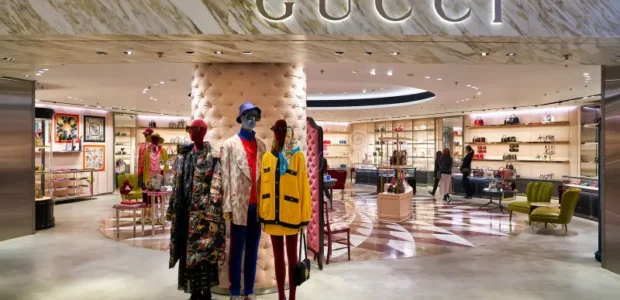

Everyone wants Gucci’s confidence without Gucci’s price tag. We put eightaffordable and accessible luxury labels up against the Italian house onprice, style, quality and everyday value, to see how close anyone canactually get. Scroll through Gucci’s website long enough and a familiar feeling sets in: you lovethe double G buckle, the striped webbing, the loafers with the horsebit detail, butthe price tag makes you close the tab. You’re not alone. Every season, moreshoppers search for cheap brands like Gucci, hoping to find that same confident,of the moment style without remortgaging their wardrobe budget. But is that even possible? Can an affordable brand really compete with one of theworld’s most recognisable luxury houses, not just on price, but on style, quality,variety and how the pieces actually hold up in daily life? To find out, we’re comparing eight of the market’s most talked about affordable andaccessible luxury labels (Zara, Mango, COS, Massimo Dutti, Charles & Keith, Coach,Michael Kors and Aldo) against Gucci across the categories that matter most:pricing, style, clothing, bags, shoes, accessories, quality, durability, everyday wearand overall value. Some of these brands will surprise you. Others will show exactly where Gucci’s pricetag is still justified. By the end, one affordable label will emerge as the strongest allround Gucci alternative, but it might not be the one you expect. What Makes Gucci So Expensive? Before comparing alternatives, it helps to understand what shoppers are actuallypaying for. Brand reputation and heritage. Founded in Florence in 1921, Gucci has spent acentury building a name synonymous with Italian craftsmanship and status. Thatheritage carries real market value, independent of any single product. Luxury positioning. Gucci sits deliberately at the top of the fashion pyramid.Limited distribution, flagship boutiques and controlled pricing all reinforce a sense ofexclusivity that mass market brands don’t attempt to replicate. Materials. Gucci uses high grade leathers, canvases and fabrics sourced andtested to strict specifications, considerably more costly than the synthetic andblended materials common in affordable fashion. Craftsmanship. Many Gucci leather goods are still hand finished by skilled artisansin Italy using traditional techniques. The first time I picked up a Gucci horsebit loaferin a boutique, what struck me wasn’t the logo, it was the weight of the hardwareand how cleanly the leather welt was stitched around the sole, the kind of detailthat never quite comes across in a product photo. It’s also a labour intensiveprocess that fast, automated manufacturing can’t match, which is part of why tradecoverage from outlets like Business of Fashion keeps circling back to craftsmanshipwhen explaining luxury pricing. Design and creative direction. Gucci invests heavily in design and runwayshows, producing directional pieces that shape wider fashion trends rather thanfollow them. Exclusivity and branding. Codes like the GG monogram, the red and green webstripe and the horsebit are protected and marketed carefully: part of whatcustomers pay for is the signal the logo sends. Product categories. Gucci spans ready to wear, leather goods, footwear,jewellery, eyewear and beauty, with pricing that reflects the complexity of eachcategory. None of this means affordable brands can’t compete on style or usefulness, but itexplains why a simple price comparison only tells part of the story. Which Affordable Brands Compete With Gucci? Not every affordable brand belongs in this conversation, but each of these eight hasbuilt a reputation for elevated style, better materials than typical fast fashion, or aspecific product category that goes head to head with luxury alternatives. Zara I picked up a Zara blazer three winters ago that’s still in weekly rotation, so I’ll admitsome bias here. Zara is usually the first name shoppers think of when hunting forcheap Gucci alternatives, and the reason is speed: its design team turns runwayideas, Gucci’s included, into affordable clothing, shoes and accessories withinweeks. That blazer has held its shape better than expected, though the liningstarted fraying around the same time a friend’s Zara bag from the same season lostits structure entirely. That’s the pattern with Zara: clothing regularly outperformsexpectations, while its bags and shoes stay firmly in affordable fashion territoryrather than genuine leather goods, so it suits shoppers happy to update their lookoften more than those chasing pieces that last for years. You can browse Zara’scurrent edit to see this season’s take. Mango Where Zara chases every trend at once, Mango edits harder. Its tailoring,occasionwear and accessories often feel a step more polished and Mediterraneanthan its Inditex sibling. Clothing quality sits close to Zara’s, sometimes ahead of it inouterwear and knitwear, and its bags and jewellery lean into gold hardware andstructured shapes that echo luxury houses at a fraction of the price. Best for:shoppers who want a slightly more grown up, coordinated wardrobe. Mango’scurrent collection is worth a look if that sounds like your style. COS What happens when a fast fashion group decides to slow down? That’s essentiallyCOS, the H&M Group label built around minimalist design, considered fabrics andarchitectural silhouettes rather than seasonal trend chasing. Its clothing uses ahigher share of natural fibres than typical fast fashion, and the pared back aestheticoverlaps in a real way with the understated luxury dressing that’s taken hold acrossmuch of fashion in recent years. Bag and shoe ranges stay small, but they hold upwell within the brand’s clean design language, and they suit shoppers who valuelongevity over logos more than they suit anyone chasing this season’s statementpiece. COS’s current collection is a good place to see that philosophy in practice. Massimo Dutti I’ve worn a Massimo Dutti wool coat through two winters now, and it still holds acrease better than coats I’ve owned at twice the price. That’s roughly the brand’swhole pitch: also part of Inditex, it sits above Zara in both price and quality, with afocus on tailoring, leather goods and refined basics. The wool, cotton and leatherblends used across its ranges are noticeably heavier and better finished, and theshoes and bags lean properly upscale rather than merely trend led. The overallaesthetic, clean lines, muted palettes, real attention to fabric, mirrors the low keyluxury mood a lot of Gucci alternatives are now chasing, so it works best forshoppers who want a
Read More